
More Brains, More Data ME is Neurological
The holy grail of corroborated data.

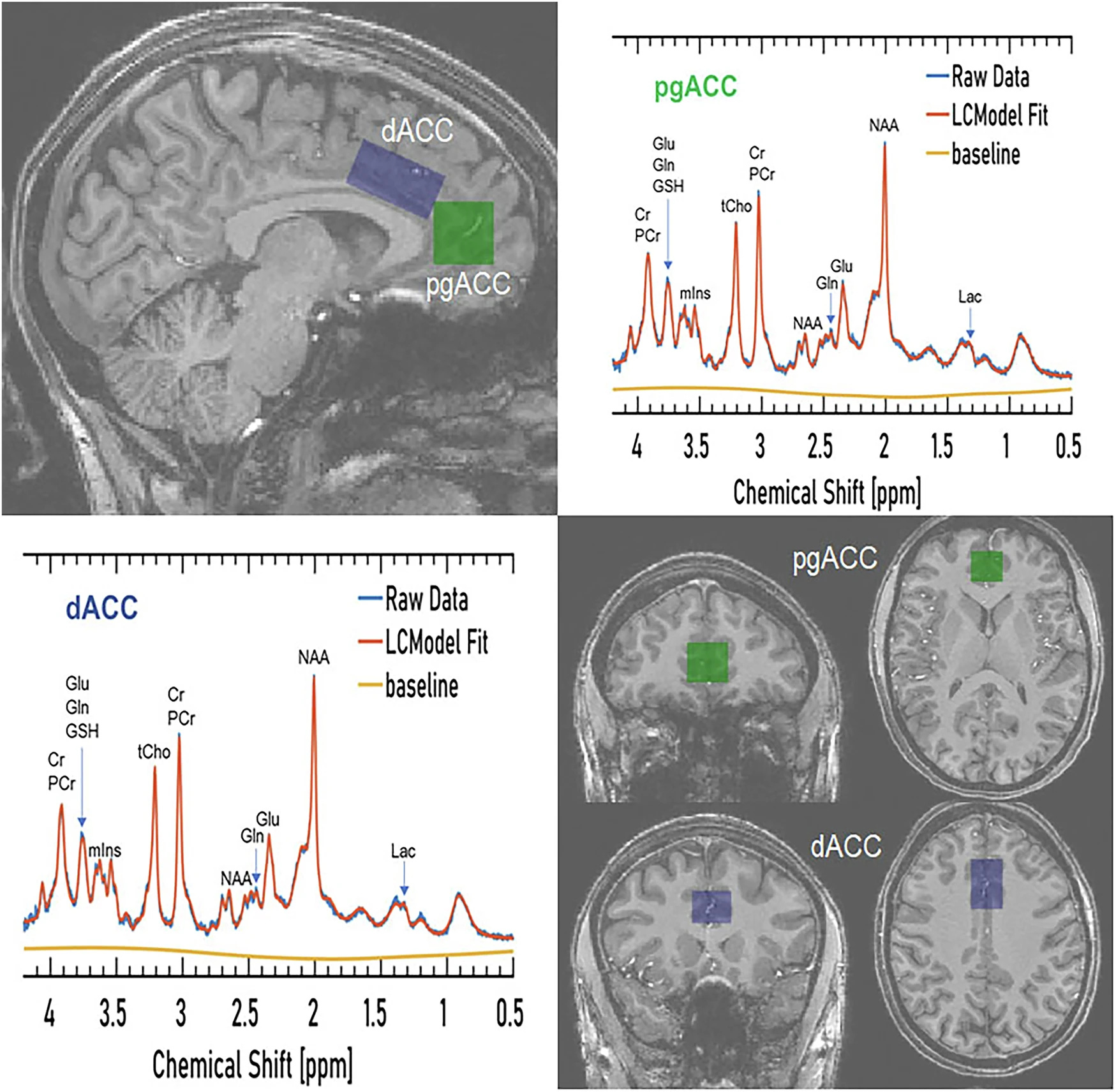
About a year ago I wrote a post about neuroinflammation found in people with ME. Well, a new study is out that lends more evidence to that, “Brain and muscle chemistry in myalgic encephalitis/chronic fatigue syndrome (ME/CFS) and long COVID: a 7T magnetic resonance spectroscopy study.” 24 people with ME/CFS, 25 people with long COVID and 24 healthy controls underwent brain and calf muscle scanning, followed by a computerized cognitive assessment. The parts of the brain that were studied were the pregenual and dorsal anterior cingulate cortex, respectively, pgACC and dACC. The type of scan they used was called a “7T”, which hasn’t been used much (maybe at all?) in prior studies, so this provides new insight. Here are some of the findings:
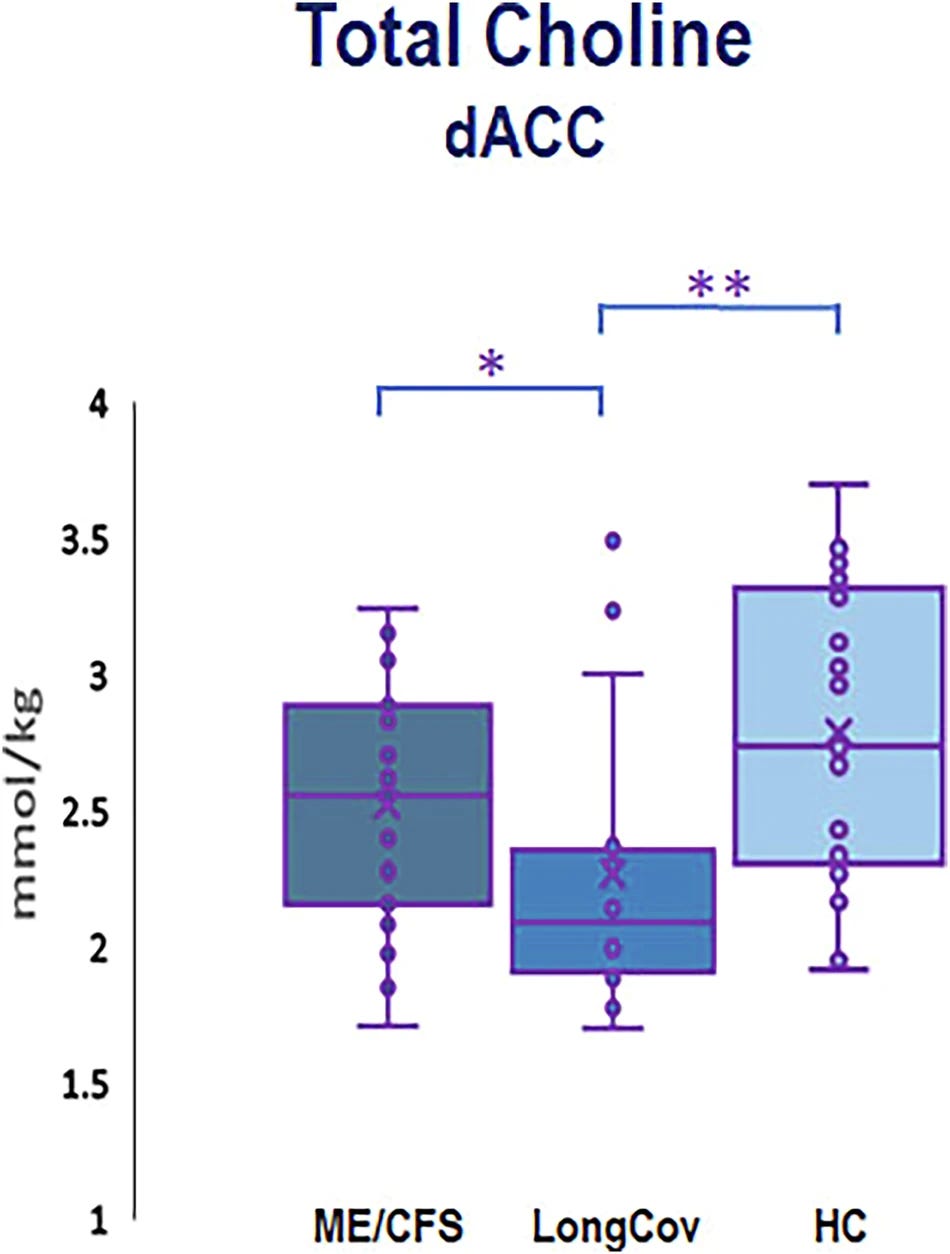
Compared to healthy controls, ME/CFS patients had elevated levels of lactate in both areas of the brain, the pgACC and dACC, while long COVID patients had lowered levels of total choline in dACC.
The changes in lactate in ME/CFS are consistent with the presence of energetic stress and mitochondrial dysfunction. Finding elevated lactate in the brain is consistent with prior studies as discussed in my prior post. The body of scientific literature supporting this finding is growing.
A reduction in total choline in long COVID is of interest in the context of the recently reported association between blood clots and ‘brain fog’, and earlier animal studies showing that choline might prevent intravascular coagulation.
Cumulative findings are supportive of the hypotheses of increased oxidative stress, inflammation and impaired oxidative energy metabolism in ME/CFS. At this point, these types of studies into Long COVID are sparse.
You can find additional details about this study and the findings here.
As I often do, I’ll share a short video by Jarred Younger where he discusses this study in a bit more detail. Jarred runs the Neuroinflammation, Pain, and Fatigue Laboratory at the University of Alabama. Though he was not involved in this particular study, he has conducted his own research with similar findings.
I’ll leave this post here. A brief share to highlight the importance of corroborated data. Someday this data will translate into medical education, medical care, and treatments. Until then, we keep spreading the word and sharing our knowledge with the medical profession.
As always, take care as best you can.
Thank you! Having a day with low enough cognitive fog to be able to read this. Also watched the video. SUPER interesting and helpful. Very grateful to you for bringing these data to us!
My question is are these markers of permanent brain damage or a dysregulated nervous system?